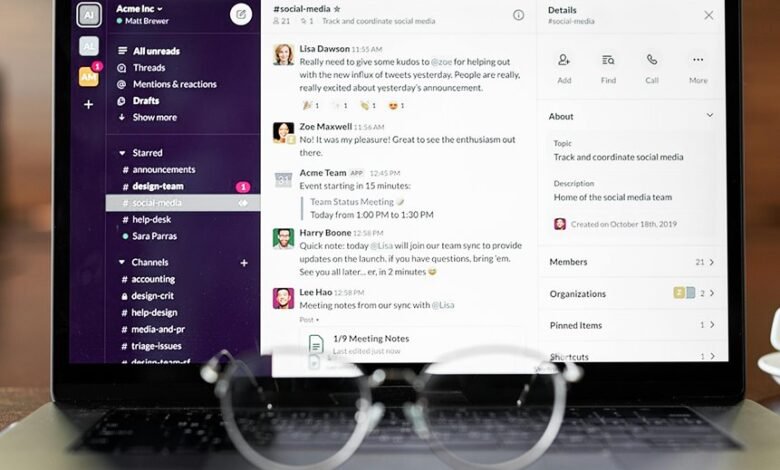
Digital Applications 8442209044 Tools exemplify a crucial evolution in enhancing productivity across various sectors. Their user interfaces are designed for optimal interaction, facilitating intuitive navigation. Automation and real-time feedback are central features, enabling users to efficiently manage tasks. As these tools advance, the integration of artificial intelligence and personalized experiences is anticipated. This raises important questions about their future applications and potential impact on workflows. What will these developments mean for users and organizations alike?
Key Features of Digital Applications 8442209044
As digital applications continue to evolve, understanding their key features becomes imperative for both developers and users.
A well-designed user interface significantly enhances user experience by facilitating intuitive navigation and interaction. Key features such as responsiveness, accessibility, and personalization contribute to this synergy, enabling users to engage seamlessly.


Developers must prioritize these elements to create applications that empower users while fostering a sense of autonomy and freedom.
Benefits of Using Digital Applications 8442209044
Digital applications offer numerous advantages that enhance efficiency and productivity across various sectors.
They facilitate user engagement by providing intuitive interfaces and real-time feedback, fostering a dynamic interaction between users and technology.
Additionally, these applications promote productivity enhancement through automation and streamlined processes, enabling organizations to allocate resources effectively and focus on core objectives.
Ultimately, they empower users to achieve greater autonomy in their tasks.
How to Integrate Digital Applications 8442209044 Into Your Workflow
Integrating digital applications into existing workflows requires a systematic approach to ensure seamless adoption and maximize benefits.
Organizations should prioritize workflow automation to enhance efficiency while assessing application compatibility with current systems.
Conducting thorough testing and training ensures that all team members can leverage the new tools effectively, fostering an environment where digital applications can thrive and contribute to overall productivity.
Future Trends in Digital Application Development
The evolution of digital applications is poised to reshape the landscape of software development significantly.
Future trends indicate a profound integration of artificial intelligence to enhance user experience, personalizing interactions and streamlining functionalities.
Additionally, the rise of low-code platforms empowers developers, fostering innovation and accessibility.
These advancements will ultimately drive user engagement and satisfaction, redefining the expectations of digital applications in various sectors.
Conclusion
In conclusion, digital applications 8442209044 tools not only enhance productivity but also empower users to navigate their tasks with confidence. By fostering seamless interaction and real-time feedback, they redefine efficiency and engagement. As technology advances, the promise of artificial intelligence and personalized experiences will further elevate these applications, transforming workflows and elevating user satisfaction. In a landscape where innovation drives progress, embracing these tools is not just advantageous; it is essential for success in an increasingly digital world.