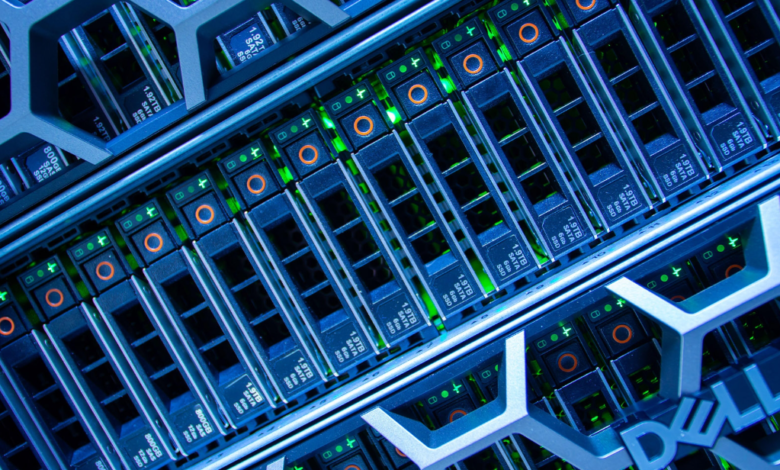
In today’s digital era, businesses, organizations, and individuals rely heavily on uninterrupted access to data and online services. At the heart of this digital ecosystem lies the Internet Data Center (IDC), a specialized facility designed to house computer systems, servers, storage systems, and networking equipment. Internet data centers play a pivotal role in ensuring high availability, security, and efficiency of digital services.
What is an Internet Data Center?
An Internet data center is a physical or virtual infrastructure that centralizes an organization’s IT operations and equipment. It is engineered to store, process, and manage large volumes of data. These centers provide critical services such as data storage, web hosting, cloud computing, application management, and backup solutions. Essentially, they act as the backbone of the internet, enabling websites, applications, and online platforms to function smoothly.
See also: 100 Day Dream Home Lawsuit Long-Term Investment: Top Stocks to Buy Today


Key Components of an Internet Data Center
A modern internet data center integrates multiple essential components:
- Servers: The core computing units that process and store data. Servers in a data center can run applications, host websites, and manage databases.
- Storage Systems: High-capacity storage devices that safely preserve vast amounts of digital information. These include SAN (Storage Area Networks) and NAS (Network-Attached Storage).
- Networking Equipment: Switches, routers, and firewalls that enable data flow within the data center and to external networks.
- Power Supply and Backup Systems: Uninterruptible power supplies (UPS) and backup generators ensure that the data center operates continuously even during power outages.
- Cooling Systems: High-performance cooling units maintain optimal temperature and humidity levels to prevent overheating of equipment.
- Security Systems: Physical barriers, biometric access, surveillance cameras, and cybersecurity measures protect sensitive data from unauthorized access or breaches.
Types of Internet Data Centers
Internet data centers can be classified based on their architecture and purpose:
- Enterprise Data Centers: Owned and operated by a single organization to serve its internal IT needs.
- Colocation Data Centers: Facilities where multiple businesses rent space for their servers and infrastructure.
- Cloud Data Centers: Virtualized data centers managed by cloud service providers, offering scalable storage and computing resources.
- Edge Data Centers: Smaller facilities located closer to users to reduce latency and improve performance for time-sensitive applications.
Advantages of Using an Internet Data Center
Utilizing an internet data center provides several benefits for businesses and service providers:
- Reliability and Uptime: IDCs are designed with redundancy in power and network connectivity, minimizing downtime.
- Scalability: They allow organizations to expand storage and computing resources without investing in new infrastructure.
- Enhanced Security: Data centers implement advanced physical and digital security protocols to protect critical information.
- Cost Efficiency: Businesses can reduce operational costs by outsourcing IT infrastructure needs to data centers.
- Disaster Recovery: IDCs often provide backup and recovery solutions, ensuring business continuity in case of system failures.
How Internet Data Centers Support the Digital World
Internet data centers are fundamental to the modern digital ecosystem. They power cloud computing platforms, host websites, manage enterprise applications, and store enormous amounts of data. From streaming services to online banking, every digital service relies on the efficiency and reliability of IDCs. By providing a centralized hub for data and computing resources, internet data centers enable organizations to innovate, scale, and deliver high-performance digital experiences to users worldwide.
FAQs About Internet Data Centers
Q1: What is the difference between a data center and an internet data center?
A: A data center is a general term for any facility that houses IT infrastructure, while an internet data center specifically focuses on supporting internet-based services, cloud platforms, and online applications.
Q2: How secure are internet data centers?
A: Internet data centers implement strict physical and cybersecurity measures, including firewalls, encryption, biometric access, and 24/7 surveillance, making them highly secure environments.
Q3: Can businesses rent space in an internet data center?
A: Yes, colocation services allow businesses to rent servers and storage space in a data center without building their own infrastructure.
Q4: What industries use internet data centers?
A: Almost every industry relies on IDCs, including finance, healthcare, e-commerce, telecommunications, media, and government services.
Q5: How do internet data centers handle downtime?
A: They employ redundancy in power, network, and cooling systems to prevent downtime. Additionally, disaster recovery plans and backup systems ensure continuous service availability.
Conclusion
The Internet data center is more than just a building full of servers; it is the foundation that powers our digital lives. By offering secure, scalable, and reliable IT infrastructure, IDCs enable businesses to operate efficiently, innovate rapidly, and provide seamless digital experiences to users. As digital transformation accelerates, the importance of internet data centers will continue to grow, making them an indispensable component of modern technology infrastructure.